LIVED EXPERIENCES: A PEOPLES HISTORY | Dr Ritu Bhagat
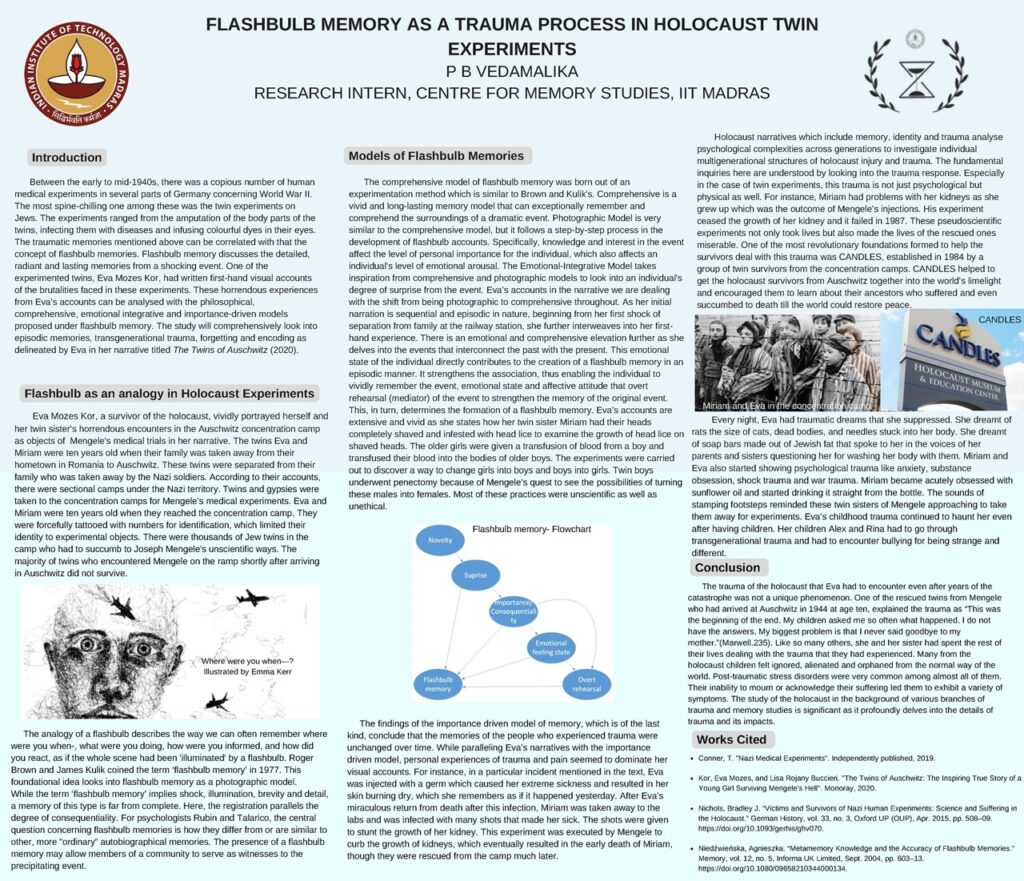
LIVED EXPERIENCES: A PEOPLES HISTORYVisual Archives: Family Photographs as Memory Refugee Resilience and Rebuilding Lives in Post-Partition of India | Dr Ritu Bhagat
LIVED EXPERIENCES: A PEOPLES HISTORYVisual Archives: Family Photographs as Memory Refugee Resilience and Rebuilding Lives in Post-Partition of India | Dr Ritu Bhagat
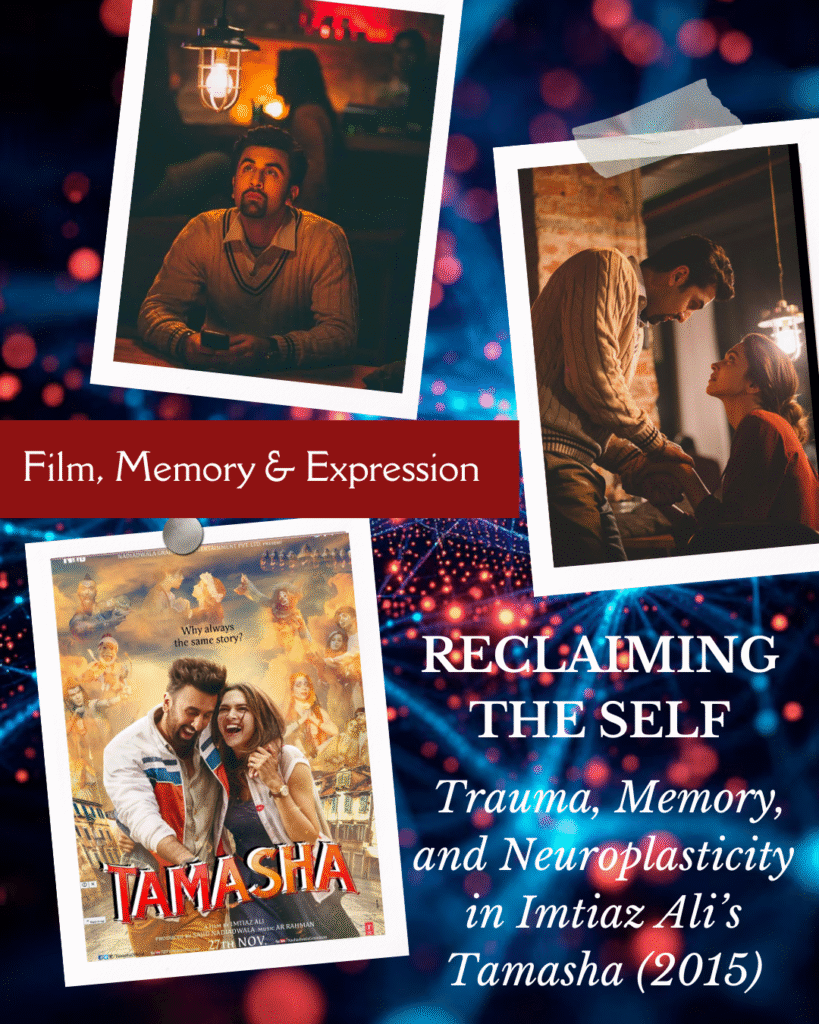
This paper scrutinizes Tamasha (2015), a Bollywood film by Imtiaz Ali, as a cinematic narrative that delves into psychological trauma, memory suppression, and maps the journey of reclaiming one’s true identity. The film follows the protagonist Ved, whose identity is shaped by childhood conditioning and societal pressure, leading to emotional dissociation and identity confusion. Fundamentally grounded on the theoretical understanding of Cathy Caruth, Judith Herman, Bessel van der Kolk, Norman Doidge, and Laura Marks, the study examines how Ved’s emotional vulnerability and eventual healing reflect the principles of “belated” trauma, memory recovery, and neuroplastic transformation. The study, through close analysis of the film’s narrative structure, visual triggers, and symbolic motifs, emphasizes how Tamasha reflects not only the burden of repression but also the healing capacity of storytelling and self-expression. The study aims to make a meaningful contribution to Indian cinema’s association with mental health and the discourse of trauma recovery.
Technological aids now play a more significant role in mobilizing popular movements. Social media platforms like Twitter and Facebook have provided survivors with a virtual space to publicize their trauma-laden mental, physical, and sexual assault memories. These virtual spaces, therefore, provide a space for collective trauma, having the potential to ignite popular movements. The #MeToo movement, #YesAllWomen, and #BLM movement show that the traumatic chunks of memories possess the potential to uncover hidden patterns of suppression and sexual violence in public spaces ranging from films to MNCs to academia. Acknowledging the controversial nature of the consequent events of the #MeToo movement, in this paper, I intend to explore the role of social media in providing a space for memory mobilization in the #MeToo movement. Furthering the discussion in this direction, I also aim to conceptualize the role of Twitter in constructing an emancipatory debate for survivors of sexual assault.
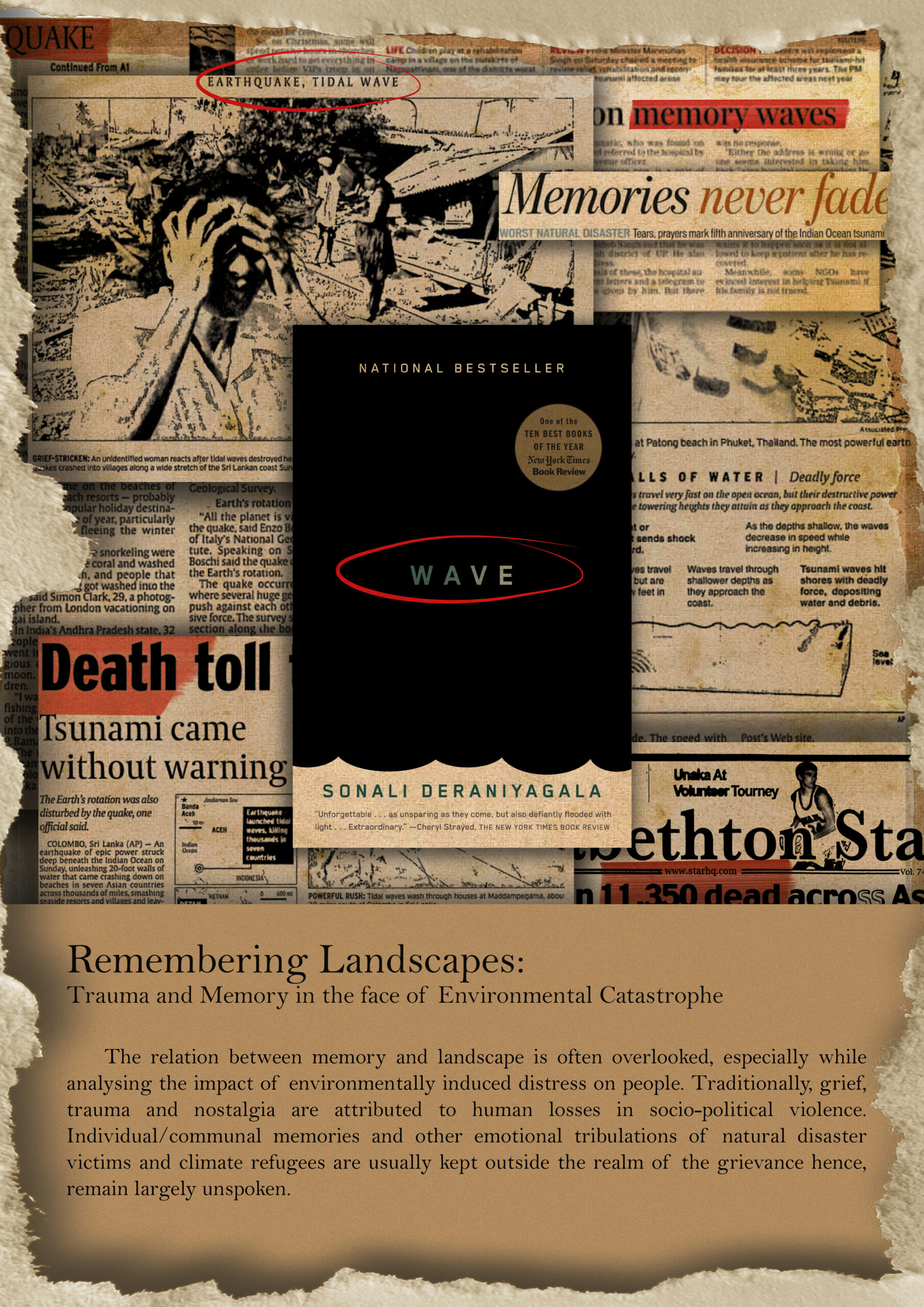
The relationship between memory and landscape is often overlooked, especially while examining the impact of environmentally induced distress on people. Traditionally, grief, trauma and nostalgia were attributed to human losses in socio-political violence. But it is equally imperative in case of individual/communal memory and other emotional tribunals of natural disaster victims and climate refugees. Their …
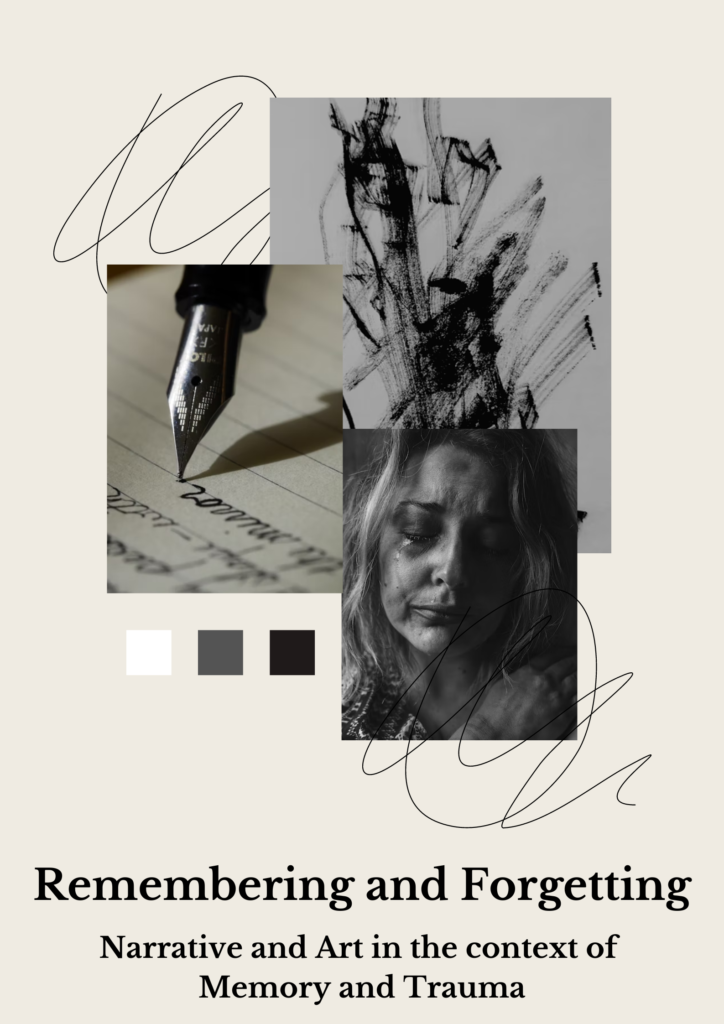
In a Q&A session with the Booker Prize, Avni Doshi talked about the centrality of art in the narrative as such; “On the level of story, art plays a central role in how the characters develop in Burnt Sugar. The major conflicts between characters are framed by the artistic production of the narrator. On a …