Kanchan Panday

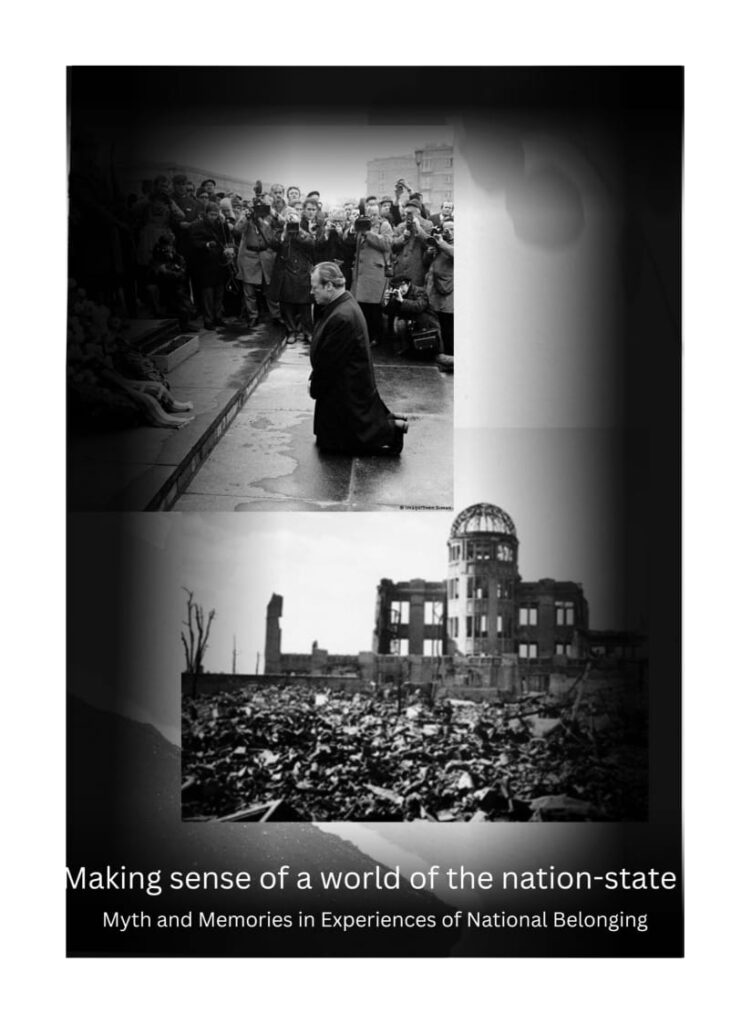
Poster titled Making Sense of a World of Nation-state: Myth and Memories in Experiences of National Belonging

Making Sense of a World of Nation-state: Myth and Memories in Experiences of National Belonging (Kanchan Panday)

Nationalism is the force that has brought the world to its modern form. It has claimed to alter the social and political structures in vastly different forms from their previous versions. The concept of nationalism has never gone out of vogue since its inception. However, since the beginning of the twenty-first century, myriad factors such …

Making Sense of a World of Nation-state: Myth and Memories in Experiences of National Belonging (Kanchan Panday) Read More »

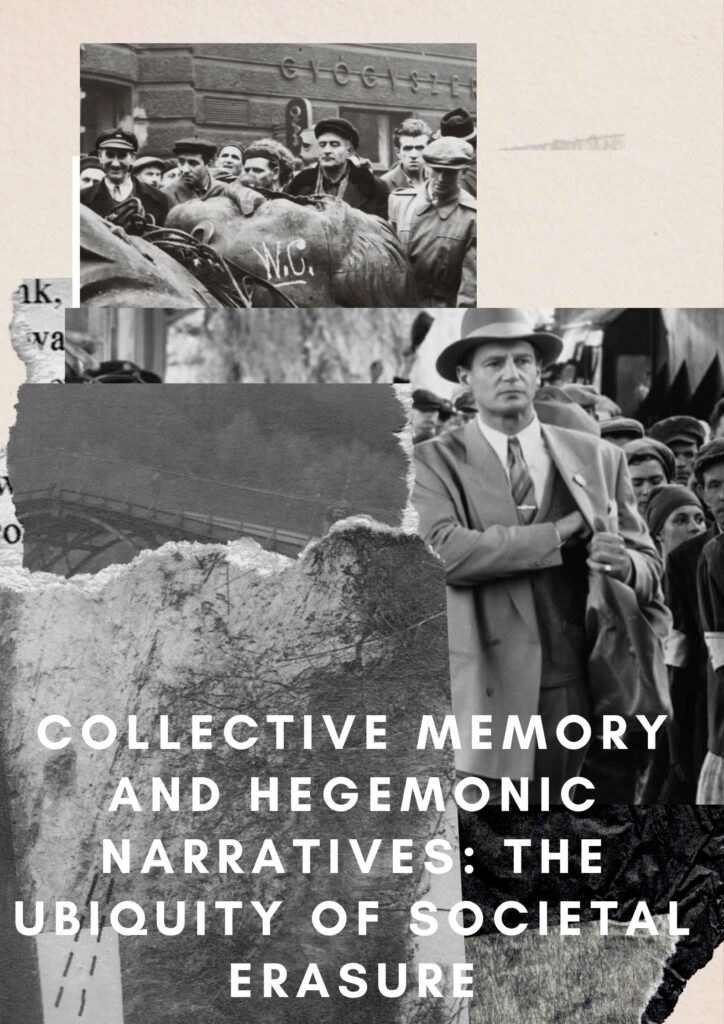
Collective Memory and Hegemonic Narratives: The Ubiquity of Social Erasure (Kanchan Panday)

This poster brings into focus two things. The fallen statue of Lenin highlights the contemporary contestations of history. It aims to delegitimize certain ideals of the past that do not align with the present aspirations. Removing the statues of Lenin does not wipe out the history of authoritarianism in Russia. However, it condemns an uncritical …

Collective Memory and Hegemonic Narratives: The Ubiquity of Social Erasure (Kanchan Panday) Read More »

Memory and mobilization: The representation of collective trauma in the #Metoo movement – Kanchan Panday

Technological aids now play a more significant role in mobilizing popular movements. Social media platforms like Twitter and Facebook have provided survivors with a virtual space to publicize their trauma-laden mental, physical, and sexual assault memories. These virtual spaces, therefore, provide a space for collective trauma, having the potential to ignite popular movements. The #MeToo movement, #YesAllWomen, and #BLM movement show that the traumatic chunks of memories possess the potential to uncover hidden patterns of suppression and sexual violence in public spaces ranging from films to MNCs to academia. Acknowledging the controversial nature of the consequent events of the #MeToo movement, in this paper, I intend to explore the role of social media in providing a space for memory mobilization in the #MeToo movement. Furthering the discussion in this direction, I also aim to conceptualize the role of Twitter in constructing an emancipatory debate for survivors of sexual assault.